History of Kingston
Three centuries of heritage, from the Jones River Parish to a thriving coastal community
From Plymouth Colony Outpost to Jones River Parish
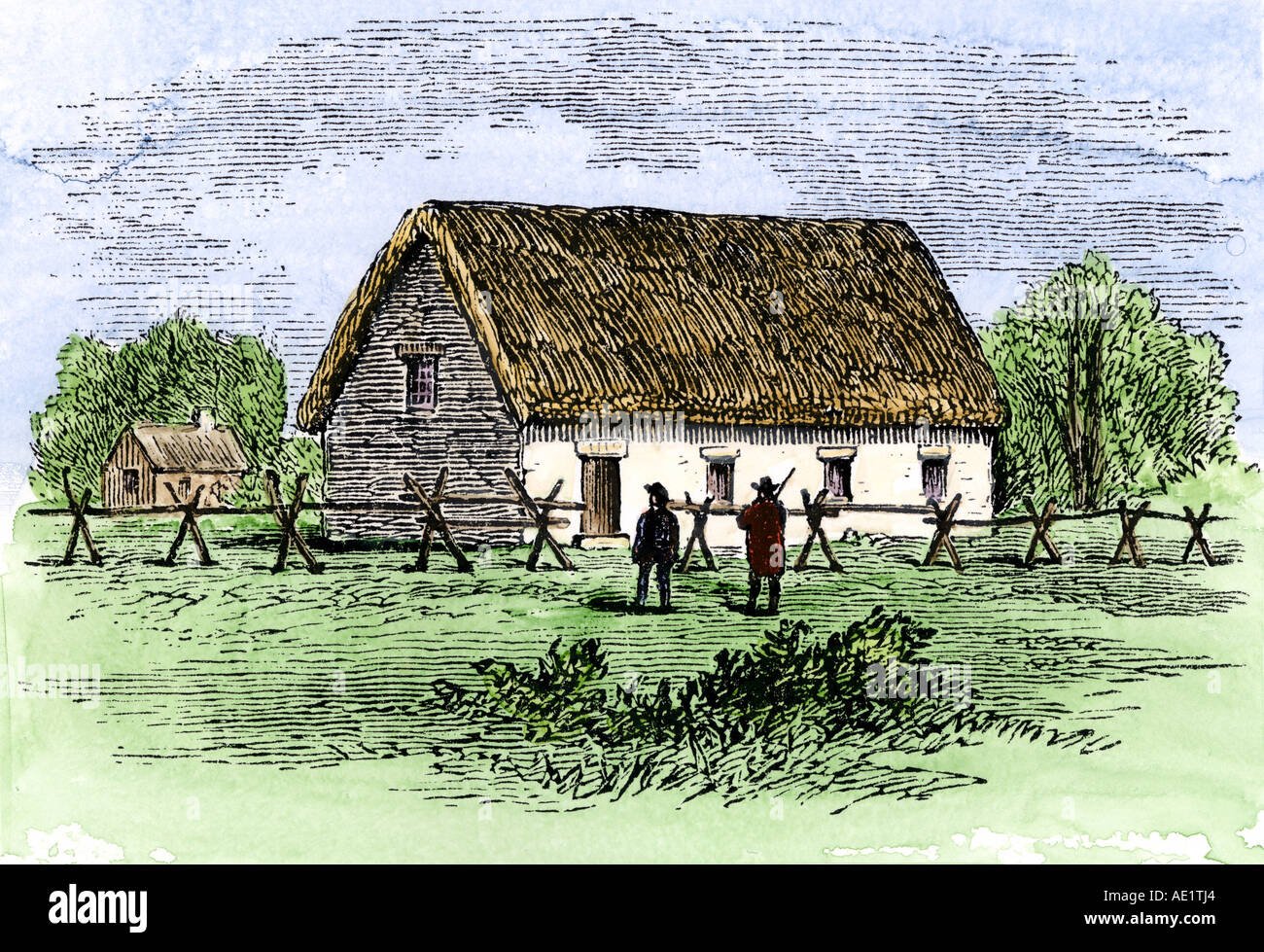
The origins of Kingston are deeply intertwined with the history of Plymouth Colony. Following the arrival of the Pilgrims in 1620, European settlement gradually expanded northward into the territory of the Wampanoag people. The area along the Jones River, a significant waterway flowing into Plymouth Bay, offered fertile soil and access to fish stocks, attracting early colonists.
To encourage permanent settlement and expansion, land grants were distributed in 1627, prompting many of Plymouth's original inhabitants to establish homesteads in what would become Kingston, Duxbury, and Marshfield. Among these early settlers was John Howland, a Mayflower passenger who established a home in the Rocky Nook area by 1638.
By the early 18th century, the population in this northern region had grown to approximately 40 families. Under colonial law, these residents were required to attend religious services and public meetings at the Plymouth Meetinghouse—a journey of six to seven miles for many. This arduous trek fueled a desire for local governance and a more convenient place of worship.
Key Milestones
The pivotal events that shaped Kingston from a colonial settlement to an independent town
Plymouth Colony Founded
The Pilgrims arrive on the Mayflower, establishing Plymouth Colony, from which Kingston would eventually emerge.
Land Grants Issued
Land grants distributed in the Jones River area, encouraging settlement north of Plymouth.
Howland Settlement
Mayflower passenger John Howland establishes his home in the Rocky Nook area.
North Precinct Established
The Jones River Parish (North Precinct of Plymouth) is formally established, marking the first step toward independence.
Major Bradford's Gift
Major John Bradford donates 14 acres for a meetinghouse, burying ground, and training field.
First Parish Church
The First Parish Church of Kingston is organized with the ordination of Rev. Joseph Stacey.
Kingston Incorporated
On June 16, 1726, Kingston is officially incorporated as an independent town, named for King George II.
The Father of Kingston: Major John Bradford
While the founding of Kingston was a collective effort, the contributions of Major John Bradford(1653-1736) were so foundational that he is widely regarded as the "Father of Kingston." A grandson of the revered Plymouth Colony Governor William Bradford, Major John was a respected figure serving as a deputy at the General Court in Boston and a major in the colonial militia during King Philip's War.
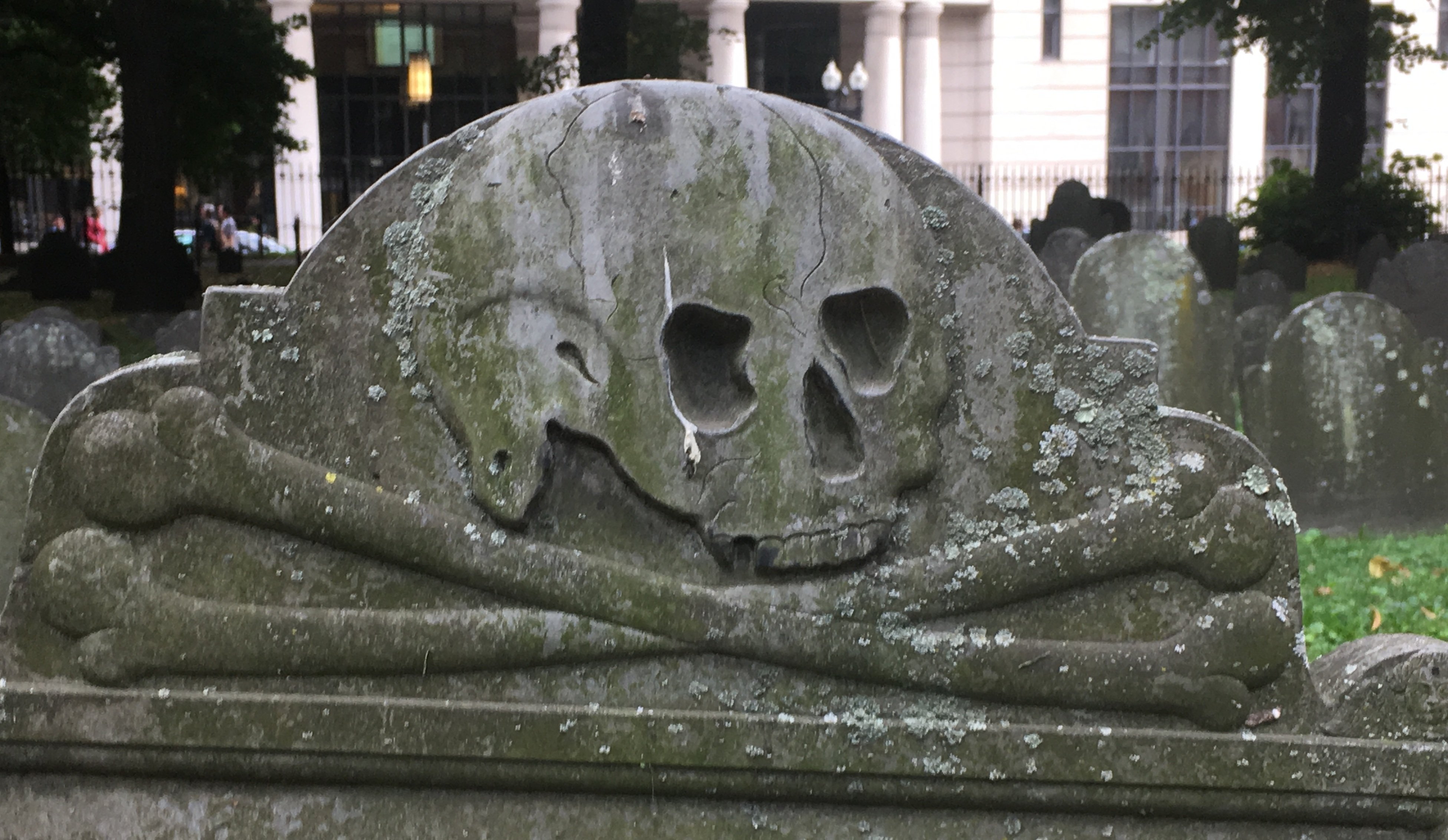
His most enduring legacy was his profound generosity. In 1717, he donated 14 acres of land for a Meeting House, Burying Place, and Training Field. This land remains central to Kingston's historic district today. He later provided additional land for the minister's house, ensuring the precinct could attract and support its religious leader.
Major John Bradford was also connected to Pilgrim heritage through his wife, Mercy Warren, granddaughter of Mayflower passenger Richard Warren. They were married for nearly 62 years and had seven children. He died on December 8, 1736, and is buried in the Old Burying Ground he helped establish.
The Incorporation of Kingston: June 16, 1726
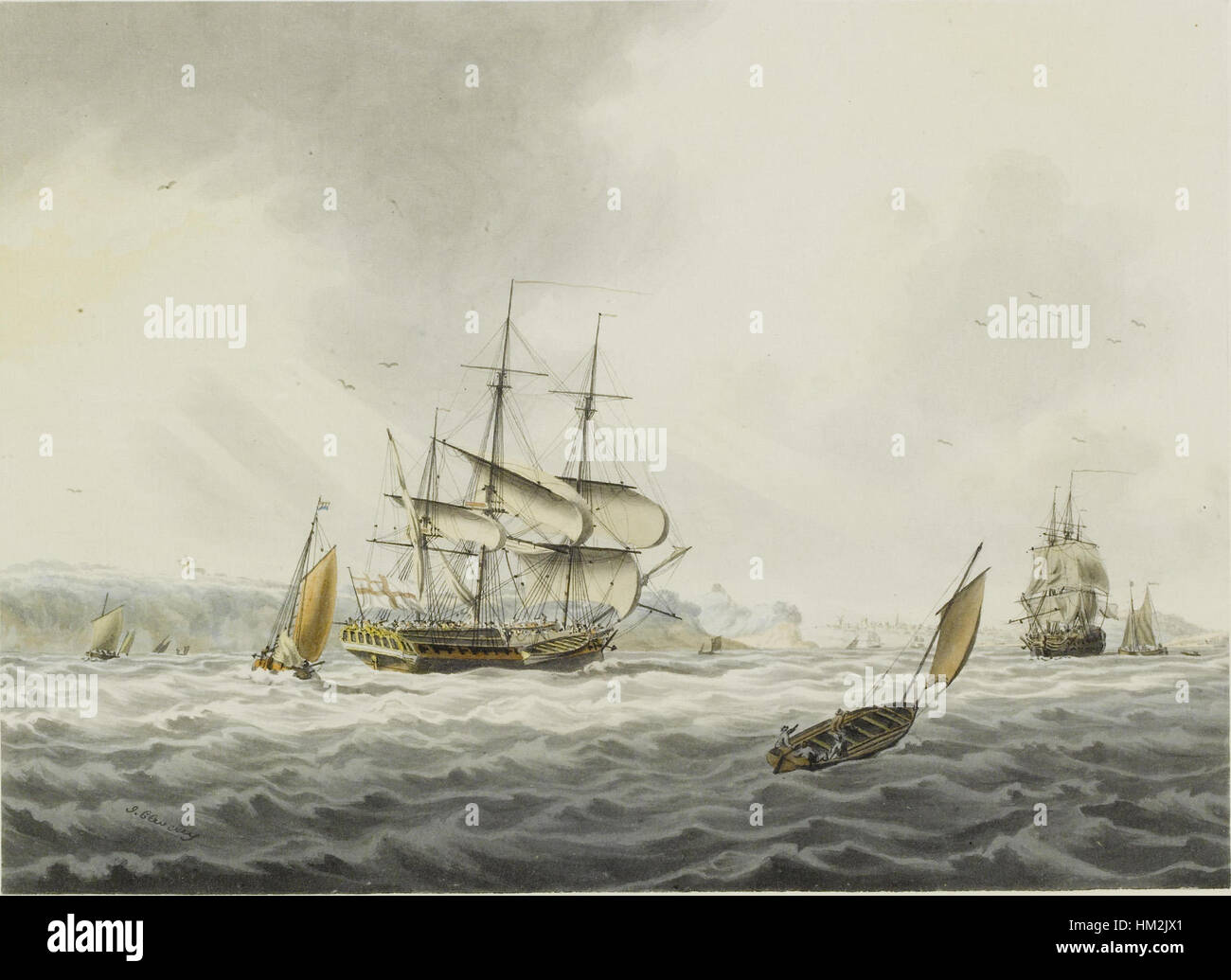
In 1717, residents successfully petitioned the Massachusetts General Court in Boston for administrative separation. Despite initial opposition from Plymouth, the court granted the request, formally establishing the area as the North Precinct of Plymouth, also known as the Jones River Parish.
A meetinghouse was constructed on Bradford's donated land in 1718, and the congregation began to gather locally. The formal birth of the First Parish Church of Kingston occurred on November 2, 1720, with the ordination of its first minister, Reverend Joseph Stacey.
The final impetus for complete separation from Plymouth came in the form of a tax dispute between the northern and southern sections of the town. On June 16, 1726, the North Precinct was officially incorporated as a distinct town. Major John Bradford is credited with naming the new town Kingstonin honor of King George II.
"At the time of its incorporation, the town, carved from lands previously part of Plymouth, Plympton, and Duxbury, had an estimated population of around 300 residents."
Historical Sources
- • Town of Kingston Official History - kingstonma.gov
- • Jones River Village Historical Society - jrvhs.org
- • First Parish Church Kingston - kingstonuu.org
- • Plymouth County Genealogical Records - FamilySearch
- • Buildings of New England - Kingston MA History Archive